SE9 small garden layout ideas for Mottingham gardeners
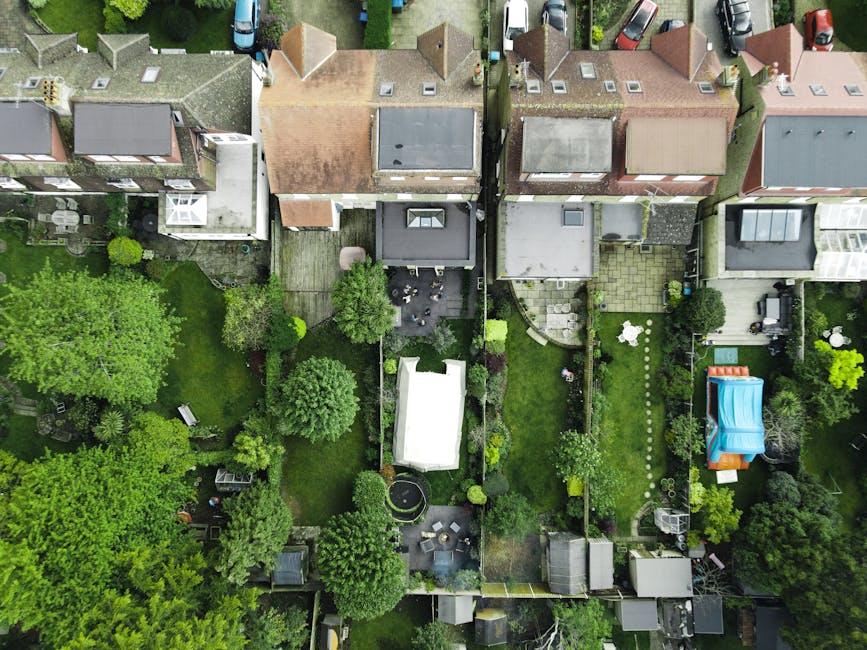
If you live in Mottingham and your garden feels more compact than you'd like, you're in good company. Small outdoor spaces across SE9 can still be calm, practical, and genuinely attractive when the layout is thought through properly. The trick is not to cram more in. It is to make every metre earn its keep.
This guide on SE9 small garden layout ideas for Mottingham gardeners focuses on real-world planning: how to divide a tiny plot, where to place seating, how to keep planting manageable, and how to avoid the mistakes that make small gardens feel even smaller. You'll find layout ideas, a simple step-by-step process, and a few local-minded tips that help in a typical South East London garden, where shade, neighbours, hard surfaces, and maintenance all matter.
And yes, if you've ever stood at the back door thinking, "It's too small to do anything with," that's exactly the feeling we want to change.
Why SE9 small garden layout ideas for Mottingham gardeners Matters
Small gardens are not just smaller versions of big gardens. They behave differently. In a compact SE9 space, a poor path line, an oversized shrub, or a badly placed shed can swallow the whole feel of the garden. One narrow strip can start to feel like a corridor. One bulky feature can break the flow. It happens quickly.
That is why layout matters so much for Mottingham gardeners. A good layout gives the garden a sense of direction. It tells the eye where to go first, where to pause, and where the useful zones live. You may only have room for a modest lawn, a slim patio, or a handful of planting pockets, but with the right arrangement, the space can still feel generous.
There's also a very practical reason. In many SE9 homes, the garden has to work hard: a place to sit, room for children, a spot for recycling bins or tools, somewhere for herbs, and ideally not too much upkeep. A layout designed around daily life is always easier than one designed only to look pretty in spring. Pretty is nice. Usable is better.
For ideas that reduce workload as well as visual clutter, a useful place to start is these budget-friendly low-maintenance gardening approaches. They sit very naturally alongside space-saving layout planning.
How SE9 small garden layout ideas for Mottingham gardeners Works
Good small-garden layout follows a few simple principles. First, you define the purpose of the space. Then you arrange the hard features before the planting. After that, you use planting to soften the lines, create depth, and guide movement.
In practice, this usually means thinking in zones. A small garden may still have three or four distinct functions:
- a sitting area
- a planting zone
- a circulation route
- a utility corner for storage, bins, or compost
Once those zones are set, you can work out how they connect. Do you need a straight line from the back door to the lawn? Would a corner bench feel less intrusive than a full table set? Would a low hedge or climbing screen make the garden feel calmer? These are layout questions, not just planting questions.
In many Mottingham gardens, height matters as much as footprint. Vertical growing, wall planting, trellis work, and slim screening can add structure without stealing ground space. A garden that grows up, not just out, often feels twice as useful. If you want to explore that further, successful vertical gardening ideas can open up a lot of possibilities.
It also helps to think seasonally. Winter light, summer shade, wet weather, and breezy corners all affect how the layout feels. A sitting area that looks fine on paper may be chilly and exposed in March. A border that seems neat in June may be awkward to access by October. The best layouts stay flexible.
Key Benefits and Practical Advantages
A well-planned small garden delivers more than visual neatness. The benefits show up in everyday use, and that is where the real value lies.
- Better flow: Clear paths and zones make the garden feel bigger and easier to move through.
- Less clutter: When storage and utility areas are planned in early, they stop dominating the space later.
- More usable seating: Even a tiny patio can feel welcoming if it is placed with the sun and shade in mind.
- Easier maintenance: Straightforward borders and sensible planting choices reduce weekend stress.
- More privacy: Screens, hedges, and climbers can soften overlooked boundaries without heavy construction.
- Stronger garden identity: A small space can feel stylish and intentional instead of a bit random.
There's a psychological benefit too. A tidy, well-ordered garden is easier to enjoy. You notice the scent of herbs near the path, the texture of groundcover under a window, the soft rustle of grasses in a corner. Little things, but they matter. A lot, actually.
If you are aiming for privacy as well as structure, it is worth thinking about layered screening. This can include planting, fencing, and hedging together rather than relying on one solution alone. For more on that approach, fast-growing hedge ideas for a private retreat are a helpful reference point.
Who This Is For and When It Makes Sense
This topic is for anyone in Mottingham or the wider SE9 area who wants to improve a modest outdoor space without making it feel boxed in or overdesigned. It is especially useful if you have one of these situations:
- a narrow terraced garden
- a small rectangular back garden
- a courtyard or paved area that feels stark
- a shaded plot with limited planting room
- a family garden that needs a balance of play and calm
- a rental garden where improvements need to be practical and not overly permanent
It also makes sense if you've already tried adding plants randomly and the result still feels messy. That is very common. People often buy plants first and plan later. Nothing wrong with that, but in a compact garden it can lead to visual chaos. Layout first. Then planting.
If you are just getting started, a basic planning mindset helps enormously. For that, you may find these beginner garden tips useful, especially if the space currently feels like a blank slate.
This approach is also ideal if you want low maintenance. Let's be honest, not everyone wants a garden that behaves like a second job.
Step-by-Step Guidance
Here is a clear, practical way to design a small Mottingham garden without overcomplicating it.
1. Start with the garden's main job
Ask yourself what the garden must do first. Is it mainly for sitting out? Family use? Growing food? A pretty view from the kitchen window? Choose one main job and let that lead the layout. If you try to make a small space do everything equally, it tends to do nothing well.
2. Measure the space properly
Do not guess. Measure the full length and width, then note doors, windows, drains, boundary walls, trees, and any fixed features. Even a shallow step or awkward corner can affect how paths and furniture fit. A simple sketch on paper works fine. No need for fancy software unless you enjoy that sort of thing.
3. Mark the hardscape first
Hardscape means the non-living parts of the garden: paving, decking, paths, raised beds, fences, screens, and storage. These usually shape the whole layout. In a small garden, a slim paved terrace or compact deck can create a usable "room" outside, especially if the surface visually ties into the house.
If you are comparing surface options, it may help to look at patio cleaning and decking services if your current hard surfaces need renewing, improving, or simply made more pleasant to use.
4. Define one clear circulation route
Choose the most natural line of travel through the garden. In many SE9 gardens, that means a simple route from back door to rear boundary or shed. Keep this route easy and uncluttered. A path that cuts across the garden can be useful too, but only if it genuinely makes the space easier to use.
5. Add planting in layers
Use low planting at the front, medium planting in the middle, and taller planting at the edges or boundaries. This creates depth. It also stops the garden from feeling flat. Ground covers are especially helpful around small spaces because they fill gaps without requiring much width. A good set of options is explored in this guide to ground covers for UK gardens.
6. Use height to save floor space
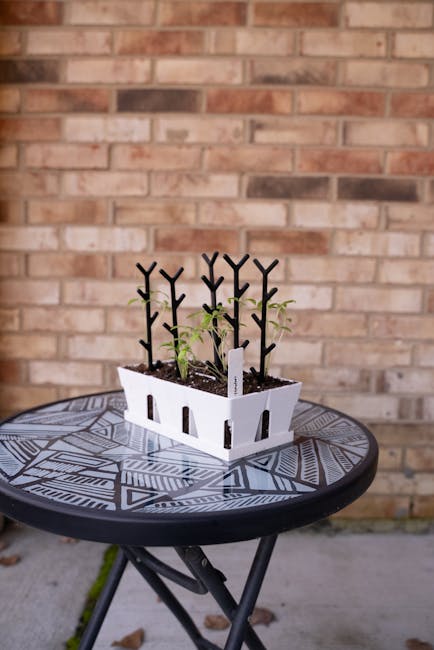
Vertical features are a small-garden secret weapon. Trellis panels, wall planters, climbing roses, evergreen climbers, slim obelisks, and hanging containers all give you greenery without sacrificing circulation. If you have a shaded boundary, this can be especially effective. Evergreen climbers for shaded zones can be a smart route when the fence line is gloomy for much of the day.
7. Keep one focal point
Small gardens benefit from restraint. One bench, one feature tree, one statement pot, or one strong screen is often enough. Too many focal points make the eye dart around. You want a little pause, not a showroom.
8. Build in maintenance from the start
Leave room to mow, prune, deadhead, and access storage. This is where many small gardens go wrong. A beautiful plan that is painful to maintain does not stay beautiful for long. If you know you'll need ongoing help, it may be worth considering regular garden maintenance or lawn care to keep the structure working.
Expert Tips for Better Results
Small gardens reward smart decisions. They also punish overthinking, strangely enough. Here are the details that tend to make the biggest difference.
- Use repeating materials: One paving tone, one edging style, or one consistent pot colour can make the garden feel calmer.
- Choose rounded planting where space is tight: Soft shapes often work better than lots of hard corners.
- Think in views, not just areas: What do you see from the kitchen door? What do you see when you sit down? Those sightlines matter.
- Keep boundary planting slim: Large shrubs can eat space fast. Go for narrow or upright varieties where possible.
- Mix structure and softness: Pair hedging or fence lines with relaxed planting so the garden doesn't look too rigid.
- Use containers deliberately: Pots are flexible and useful, especially if you like changing the look through the year.
One practical detail that often gets missed: light. In South East London, a north-facing or overlooked garden can feel much darker than expected. Reflective surfaces, pale paving, and lighter foliage can help bounce brightness around. It is not magic, but it really does lift the mood.
For more ideas on container use, container gardening tips can be adapted very neatly into small layout planning.
And if the site is windy, which happens more than people expect, use the garden to your advantage. Wind breaks, layered shrubs, and sheltered seating can turn a nuisance into a design feature. There is a useful angle on that in this piece on windy conditions.
Common Mistakes to Avoid
Most small garden disappointments come from a handful of predictable mistakes. Thankfully, they are easy to sidestep once you know what to look for.
- Using oversized features: A huge table set, a deep border, or chunky furniture can overwhelm a modest plot.
- Ignoring access: If you cannot reach the back fence or a border edge, maintenance becomes a chore.
- Planting too densely: Plants look tiny on day one and crowded by month six. Give them breathing room.
- Creating too many zones: Three simple zones are usually enough. Five tends to feel busy.
- Forgetting the view from indoors: A garden should look good from the house too, not just from the far end.
- Skipping vertical potential: If you never look up, you may be wasting half the available space.
Another thing: avoid heavy, dark materials everywhere. In a tight garden they can make the space feel smaller than it is. Use contrast carefully. A little dark structure can be elegant, but too much is a bit claustrophobic.
If ivy or unwanted climbers are taking over boundaries, that needs sorting early. Left alone, they can undo a neat layout surprisingly quickly. For a relevant starting point, this ivy removal guide is worth a look.
Tools, Resources and Recommendations
You do not need a shed full of specialist kit to redesign a small garden. Still, a few tools and resources make the process easier and less guessy.
- Tape measure: Essential for proper planning.
- Paper and pencil: Still one of the best ways to sketch zones and test ideas.
- Garden hose or rope: Useful for marking out curves before you commit.
- Spade and fork: For adjusting beds, lifting old plants, and reshaping borders.
- Pruning tools: Handy for keeping shrubs, climbers, and hedges in proportion.
- Wheelbarrow or sturdy trug: Small but helpful when moving soil, mulch, or debris.
On the resource side, a few topics pair well with layout planning. If you want a garden that feels softer underfoot and easier to maintain, the right ground covers help. If you want stronger boundaries, hedging and screening matter. If you want a more social garden, seating placement is key. For that last part, garden seating arrangement ideas can help you think beyond the standard patio set.
If the space is overgrown or simply needs a reset, a fresh start is sometimes the most efficient route. garden revival ideas can be helpful when you're not working from scratch but from "well, this has got a bit away from me." It happens.
For broader support or a site visit, you can also speak with the team through the contact page.
Law, Compliance, Standards, or Best Practice
For most small garden layout work, there is no complicated legal maze. Still, a few UK best-practice points are sensible to keep in mind.
First, boundary and neighbour considerations matter. If a screen, fence, hedge, or tree affects light, access, or shared boundaries, it is wise to discuss the plan before work begins. A calm conversation now can prevent awkwardness later.
Second, tree and hedge work should be done with care. If mature trees are involved, especially near boundaries or structures, a trained eye is useful. Roots, shade, and structural spread can affect layout choices more than people expect. If you are dealing with larger woody growth, tree surgery may be the safer and more appropriate option.
Third, safety comes first. Any layout that includes uneven paving, steps, hidden edges, or slippery surfaces should be tackled with practical slip and trip awareness. Good drainage, stable edging, and sensible levels are not glamorous, but they are important.
Fourth, materials and workmanship should be fit for purpose. A patio, deck, fence, or raised bed needs to be stable, well fixed, and suitable for outdoor use. That sounds obvious, but in small spaces the margin for error is smaller. A weak section or poor finish stands out quickly.
If your project involves structural or access-related changes, it is sensible to discuss expectations openly and check that any work is carried out in a way that is appropriate for the property and the garden's intended use. If you want to understand service scope before starting, the site's insurance and safety information, terms and conditions, and health and safety policy are all useful reading.
Options, Methods, or Comparison Table
Different small gardens need different layout approaches. The right choice depends on how you use the space, how much maintenance you want, and whether the garden is mainly decorative or practical.
| Layout method | Best for | Strengths | Trade-offs |
|---|---|---|---|
| Single-zone patio garden | Simple seating and low maintenance | Very easy to use, clean, and furnish | Can feel plain if planting is too sparse |
| Split-zone garden | Families and multi-use spaces | Creates clear functions, such as dining and planting | Needs careful planning to avoid overcrowding |
| Vertical or layered garden | Narrow plots and overlooked boundaries | Saves floor space and adds depth | Requires ongoing pruning and support structures |
| Courtyard-style garden | Compact spaces with hard landscaping | Feels tidy, urban, and elegant | Can become too hard-surfaced if not softened well |
| Naturalistic small garden | Wildlife-friendly and relaxed spaces | Soft, forgiving, and good for planting diversity | Can look untidy if maintenance slips |
If you like the idea of a softer, greener feel, a layering approach often works well with low-growing planting around the edges and taller structure at the back. For example, you might combine a small lawn or seating pad with climbers, herbs, and a couple of carefully chosen shrubs rather than filling every inch.
For boundary screening, you may also want to compare hedge-led approaches with other options. hedge trimming in Mottingham is worth thinking about if you want structure that stays tidy through the year.
Case Study or Real-World Example
Here's a realistic small-garden scenario from the kind we see often in SE9. A back garden measures roughly narrow-rectangle proportions: enough room for a door step, a small lawn, and a scruffy fence line, but not much else. The owner wants somewhere to sit, space for a few herbs, and a garden that does not feel like a corridor.
The layout solution was simple, not showy:
- a compact paved sitting area just outside the house
- a slim planting border along one side only, instead of both
- vertical climbers on the rear boundary to soften the fence
- two medium containers near the seating area for scent and colour
- a clear path to the back for access and maintenance
The result was not a giant transformation in the dramatic sense. No fountain, no theatrical reveal. But the garden became easier to use straight away. The seating area felt intentional. The border was manageable. The fence stopped dominating the view. And because the design kept enough open space, the whole garden breathed better.
That is often the real win in a small garden. Not making it "more full" but making it feel less crowded.
One tiny but important detail in that kind of project is timing. If you start in late winter or early spring, you can establish the structure before peak growing season. By midsummer, the planting begins to knit together and the space starts to settle. Very satisfying, that.
Practical Checklist
Use this before you begin your small garden redesign:
- Measure the full garden accurately
- Identify the main purpose of the space
- Note sun, shade, wind, and damp spots
- Decide where seating should go
- Plan one clear circulation route
- Choose hard surfaces before plants
- Reserve space for storage or utility needs
- Use vertical features where floor space is tight
- Keep boundary planting slim and manageable
- Leave access for maintenance
- Select a small number of repeating materials
- Check the garden from inside the house as well as outside
- Think about seasonal interest, not just summer colour
- Allow room for plant growth at maturity
Expert summary: the best SE9 small garden layout ideas for Mottingham gardeners are usually the simplest ones: define the purpose, protect the circulation space, use height, and let planting support the structure rather than fight it.
Conclusion
A small garden in Mottingham does not need to be dramatic to be successful. In fact, the best ones usually are not. They are thoughtful. They are comfortable. They are easy to live with. When the layout is right, even a modest SE9 plot can feel private, green, and properly usable all year round.
If you take one thing from this guide, let it be this: plan the shape of the garden before you plan the plant list. That one choice saves time, money, and plenty of frustration. And once the structure is right, the rest of the garden tends to fall into place more naturally than you'd expect.
Get a free quote today and see how much you can save.
Small spaces can still feel generous. Sometimes they just need a clearer idea of where to breathe.
Frequently Asked Questions
What is the best layout for a small garden in SE9?
The best layout is usually one that gives the garden a single clear purpose, a simple circulation route, and enough vertical planting to save floor space. For many Mottingham gardens, a compact seating area plus slim border planting works very well.
How do I make a narrow Mottingham garden look wider?
Use straight, clear lines, avoid heavy clutter, and keep planting layers low near the front with taller growth at the edges. Light-coloured surfaces and one focal point can also stop the garden from feeling tunnel-like.
Should I put a patio or lawn in a small garden?
That depends on how you use the space. If you want easy seating and low maintenance, a small patio may be better. If you want softness and somewhere for children or pets, a modest lawn or lawn alternative can work. Often, a balanced mix is best.
Are containers a good idea in small gardens?
Yes, very often. Containers are flexible, easy to move, and ideal for adding colour or herbs without committing to a large border. They are especially useful in compact or rented gardens.
How much planting is too much in a small garden?
Enough to create interest, but not so much that the beds close in on the paths. Plants need room to mature. A common mistake is filling every empty space on day one. That usually looks crowded later.
What plants work well in small SE9 gardens?
Compact shrubs, climbers, herbs, ground covers, and well-behaved perennials are usually strong choices. It helps to pick plants that stay in proportion rather than fast-growing types that require constant cutting back.
Do I need professional help for small garden layout planning?
Not always, but it can save time if your garden has awkward levels, poor drainage, shading, or boundary issues. A professional can help you avoid expensive mistakes and make the space work harder from the start.
How do I keep a small garden low maintenance?
Use fewer material types, limit the number of planting beds, and choose plants that don't need constant shaping. Regular light upkeep is easier than letting the garden get away and then trying to catch up in one go.
Can I combine privacy screening and layout planning?
Absolutely. In fact, they should often be planned together. Hedging, climbers, fences, and trellis can all help define zones while making the space feel more secluded.
What should I avoid in a tiny garden design?
Avoid oversized furniture, too many different zones, deep borders that steal walking space, and heavy dark materials everywhere. Those things tend to make a small garden feel smaller and harder to use.
When is the best time to redesign a small garden?
Late winter through spring is often a practical time to start, because it gives you a chance to shape the structure before the main growing season. That said, a small garden can be improved at any time with sensible planning.
How do I choose between decking and paving?
Think about the feel you want, the level of upkeep you're happy with, and how the surface connects to the rest of the garden. Decking can feel warmer and more relaxed; paving often feels more solid and easier to clean. The right choice depends on how the space will be used day to day.