Mottingham Station Garden Maintenance and Plant Choices: A Practical Local Guide
If you live near Mottingham Station, you already know the garden here has its own rhythm. One week it can feel calm and bright, the next it is dealing with shade, gusty corners, compact plots, and the usual South East London mix of weather swings. That is exactly why Mottingham Station garden maintenance and plant choices matter: the right planting plan makes upkeep easier, keeps the space looking cared for, and stops you fighting the same problems every month.
This guide brings together sensible maintenance habits and plant selection advice that works in real gardens, not just the neat ones in magazine spreads. You will find practical ideas for lawns, borders, hedges, containers, and low-maintenance planting, plus a few local realities that people often overlook. Truth be told, most disappointing gardens are not badly designed; they are simply planted without enough thought for light, wind, soil, and time.
For readers who want support beyond the article, it can also help to look at regular garden maintenance services, the wider range of gardening services, or a more focused lawn care approach if the grass is the first thing slipping. And if you are trying to work out where to begin, the step-by-step sections below should make the whole thing feel far less overwhelming.
Table of Contents
- Why Mottingham Station garden maintenance and plant choices Matters
- How Mottingham Station garden maintenance and plant choices Works
- Key Benefits and Practical Advantages
- Who This Is For and When It Makes Sense
- Step-by-Step Guidance
- Expert Tips for Better Results
- Common Mistakes to Avoid
- Tools, Resources and Recommendations
- Law, Compliance, Standards, or Best Practice
- Options, Methods, or Comparison Table
- Case Study or Real-World Example
- Practical Checklist
- Conclusion
- Frequently Asked Questions
Why Mottingham Station garden maintenance and plant choices Matters
A garden near Mottingham Station has to cope with ordinary life as much as weather. Narrow side access, limited time, neighbouring shade, foot traffic, pets, and seasonal mess all shape what will thrive. If plant choices are too fussy, maintenance becomes a chore. If maintenance is ignored, even good plants start looking tired. Simple enough, but people still end up with the wrong mix all the time.
In practical terms, maintenance and planting should support each other. A border full of thirsty, high-growth plants needs far more pruning and watering than a border built around hardy shrubs, ground cover, and reliable perennials. Likewise, a lawn in a partly shaded garden near mature trees will need different care from a sunny front strip that gets plenty of air movement. The best results usually come from matching plants to conditions first, then deciding how much weekly effort you can actually live with.
That is why local awareness matters. Wind exposure, patchy light, compact urban soil, and winter wet can all shape the performance of your garden. If you want to see how difficult conditions can be turned into an advantage, the advice in transforming windy conditions into a garden advantage is worth reading alongside this guide. It is a helpful reminder that a tricky site does not mean a poor garden. It just means a smarter one.
Expert summary: The best Mottingham Station gardens are usually not the most decorative on day one; they are the ones built around the site, the season, and the time you realistically have for upkeep.
How Mottingham Station garden maintenance and plant choices Works
Think of it as a loop rather than two separate tasks. You assess the garden, choose plants that suit the space, then maintain the site so those plants can do well. The maintenance plan should be shaped by the planting, and the planting should reduce the maintenance load. That is the sweet spot.
A sensible local process usually starts with observing the garden at different times of day. Where does the sun actually fall? Which corner stays damp after rain? Where does the wind whip through? Which areas are ignored because they are awkward to reach? In a small or medium Mottingham garden, these details matter more than many people expect. One shady patch under a fence can be perfect for evergreen climbers, while a hot, exposed strip may suit tougher, drought-tolerant perennials or structured containers.
From there, maintenance should be planned around the plant mix. A border with evergreen structure, seasonal colour, and some ground cover will generally need less fuss than a patchwork of annuals that require constant replacement. If you want ideas for lower-effort planting, these wallet-friendly minimal upkeep approaches align nicely with this thinking. They are not just about saving money; they save time, too.
Maintenance itself usually falls into a few repeatable jobs:
- lawn cutting or lawn reduction where grass is part of the design
- deadheading and light pruning to keep plants tidy and productive
- weed control before small problems become large ones
- mulching to improve moisture retention and soil health
- seasonal checks for damage, disease, or overcrowding
- hedge and shrub trimming to prevent a garden from closing in on itself
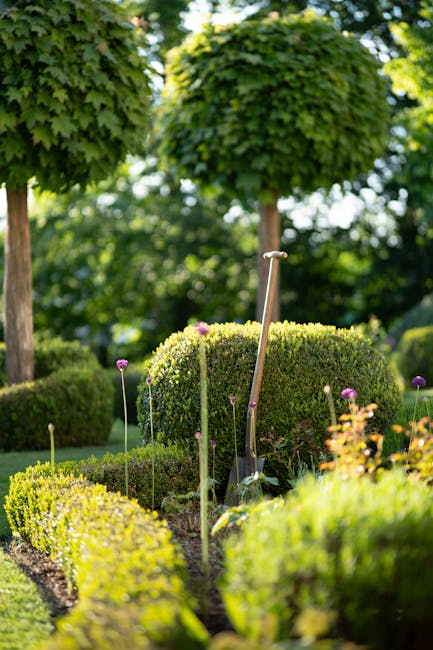
There is also a useful practical link between plant choice and garden structure. For example, if privacy is a priority, a carefully selected hedge can replace a fussy fence line and give you a greener edge. In that case, a page like hedge trimming in Mottingham becomes more relevant than a generic planting article, because the garden is being designed for maintenance as much as appearance.
Key Benefits and Practical Advantages
The biggest benefit is obvious: a garden that stays manageable. But there are several less obvious wins as well.
- Less reactive work. You spend less time rescuing plants and more time maintaining a healthy rhythm.
- Better seasonal performance. The right plants are less likely to scorch, flop, drown, or sulk in winter.
- Cleaner visual structure. Evergreen shrubs, ground cover, and well-chosen climbers create shape even when flowers are sparse.
- Improved value from every task. A single mulching session can support several beds, not just one.
- Lower long-term replacement costs. Plants suited to the site tend to last longer and need fewer replacements.
There is also a very real quality-of-life benefit. A well-maintained garden feels inviting. You notice it when you step outside with a mug of tea on a grey morning, or when the first bit of spring growth makes the whole space look awake again. It sounds a bit sentimental, perhaps, but those little moments are exactly why people keep gardens in the first place.
For spaces that need to work hard with limited effort, it often helps to pair planting with a tidy layout. Simple edging, clear access, and sensible paths make every maintenance job easier. If the wider outdoor setting needs fresh structure, landscaping support can make the planting plan far more practical. And if the patio or hardstanding is dragging the whole garden down visually, patio cleaning is one of those jobs that gives a surprising lift for very little drama.
Who This Is For and When It Makes Sense
This approach suits a wide range of people, but it is especially useful if you recognise any of these situations:
- you want a smart-looking garden without spending every weekend on it
- you have a small garden and need every square metre to work hard
- your garden has awkward shade, dry spots, or exposed corners
- you are planning to refresh a tired front or back garden
- you want better privacy, clearer borders, or less weeding
- you have pets or children and need a tougher planting scheme
- you are recovering a neglected outdoor space and need a reset
It also makes sense if you are trying to decide between a full redesign and a lighter maintenance-led improvement. Sometimes you do not need a full transformation. Sometimes you just need the right plants, trimmed hedges, a bit of soil improvement, and a calmer plan. That is it. No grand reinvention required.
For beginners, a gentle planting reset can be a far better move than chasing a complicated garden style. If you are at that stage, practical tips for novice gardeners can stop a lot of early mistakes before they start. And if your garden feels completely overwhelmed, a garden revival mindset may be the more realistic route.
Step-by-Step Guidance
1. Start with what the garden actually does
Before buying anything, look at the space honestly. Is it windy? Shady? South-facing? Does the soil dry out fast? Are there roots from nearby trees? A plant that looks fantastic in a catalogue may struggle if the site is the wrong fit. That sounds obvious, but people skip it. Then they are surprised when the lavender hates the damp corner. Well, yes.
2. Decide how much maintenance you want
Be realistic. If you only have an hour or two every fortnight, choose resilient, slower-growing plants and keep the design simple. If you enjoy gardening and want to prune, feed, and shape regularly, you can be more adventurous. The important thing is not to design a garden for the fantasy version of your schedule.
3. Build a backbone of reliable structure
Good backbone plants include evergreen shrubs, neat hedging, ground cover, and a few strong perennials. They give the garden shape through the year. A useful place to start is the advice on ground covers for UK gardens, because they help suppress weeds and reduce bare soil. Bare soil is where the nagging starts.
4. Add plants for the microclimates
Every garden has little pockets of difference. A wall might trap heat. A fence might create shade. A corner could stay wet after rain. Use those variations instead of fighting them. Shade-loving evergreen climbers can make a dull fence look intentional, as discussed in shade evergreen climbers for shadowed zones.
5. Plan maintenance around the season
In autumn, focus on tidying, leaf control, and preparing tender plants. In winter, protect vulnerable roots and avoid overworking waterlogged soil. In spring, prune lightly, feed where needed, and refresh mulch. Summer is about watering wisely, deadheading, and keeping on top of growth. If you want a deeper seasonal guide, winter plant protection advice is a solid companion piece.
6. Keep hedges, shrubs, and edges under control
Hedges are one of the easiest ways for a garden to become visually messy, especially near paths or boundaries. Trimming at the right time helps preserve shape and vigour. If the boundary planting is doing double duty for privacy, fast-growing hedge ideas can help you choose plants that create screening without turning into a maintenance nightmare.
7. Review after one full season
Once the garden has been through spring, summer, and a bit of colder weather, step back and assess what actually worked. Did one border need too much watering? Did a shrub outgrow its space? Did a planter become too exposed? This review stage is where future savings happen. A couple of small changes now can prevent a lot of routine work later.
Expert Tips for Better Results
Here are the practical habits that usually make the biggest difference.
- Choose foliage first, flowers second. Flowers come and go. Structure lasts.
- Match plant size to the site. A plant that is too big for the space becomes a pruning chore.
- Use mulch properly. It reduces water loss and helps suppress weeds, especially around borders and shrubs.
- Group plants with similar needs. Mixed watering demands in one bed are a constant hassle.
- Don't ignore soil. Soil life matters. A garden with better soil generally needs less rescue work. The article on boosting soil life through organic waste is useful here.
- Make access easy. If you cannot comfortably reach a bed, it will get neglected. Plain and simple.
- Use vertical space wisely. Climbers and trained plants can soften fences without taking ground space. vertical gardening ideas are especially handy in compact gardens.
One small but important point: do not overfill the garden in the first year. A lot of people do. It looks good on planting day and then everything starts to compete. Leave space for growth. You will thank yourself later, even if the garden looks a little sparse at first. That's normal.
If your aim is a calmer, lower-stress outdoor area, you may also like the softer design thinking in peaceful outdoor space ideas. They are not about copying a style exactly; they are about removing visual clutter and making the garden easier to live with.
Common Mistakes to Avoid
Most garden problems are avoidable if you know where people usually slip up.
- Choosing plants for looks alone. A lovely plant that hates your soil is still the wrong plant.
- Ignoring shade levels. Partial shade and full shade are not the same thing, and the wrong guess can waste a whole season.
- Using thirsty plants in exposed spots. They will demand constant attention during warm spells.
- Letting hedges get ahead of you. Once a hedge is overgrown, it takes more time and usually looks worse while recovering.
- Relying too much on annual bedding. It gives instant colour, yes, but it also asks for more replanting and feeding.
- Skipping soil preparation. Even the hardiest shrubs appreciate decent planting conditions.
- Planting too close together. Crowding leads to airflow issues, disease pressure, and extra pruning.
We also see people underestimate weeds. The first flush looks harmless, then suddenly the borders are full again and the whole thing feels unfair. It is fair, actually. Weeds are simply more organised than most gardeners expect. A better strategy is to stay ahead of them with regular maintenance and the advice in these weed management tips.
Tools, Resources and Recommendations
You do not need a shed full of kit, but a few good tools make maintenance much easier. The essentials are usually enough:
- sharp secateurs for deadheading and light pruning
- a hedge trimmer or manual hedge shears for boundary shaping
- long-handled loppers for thicker stems
- a sturdy rake for leaves and debris
- gloves that actually fit, which sounds basic but matters a lot
- a watering can or hose setup suited to the garden layout
- mulch, compost, or other soil improvers for beds and borders
If you are building a kit from scratch, the guide on essential gardening gear is a decent starting point. It helps separate genuinely useful tools from the things that look clever in the shop and then mostly sit there.
For plant choice, it helps to keep a simple shortlist by garden condition:
| Garden condition | Planting approach | Maintenance level |
|---|---|---|
| Shady fence line | Evergreen climbers, shade-tolerant shrubs, ground cover | Moderate |
| Sunny exposed area | Tough perennials, drought-tolerant planting, mulch-heavy borders | Low to moderate |
| Small courtyard | Containers, compact shrubs, vertical planting | Moderate |
| Family or pet garden | Hardy planting, clear paths, resilient lawn or gravel mix | Moderate |
| Privacy-focused boundary | Structured hedges, climbers, layered screening | Moderate to higher, depending on growth rate |
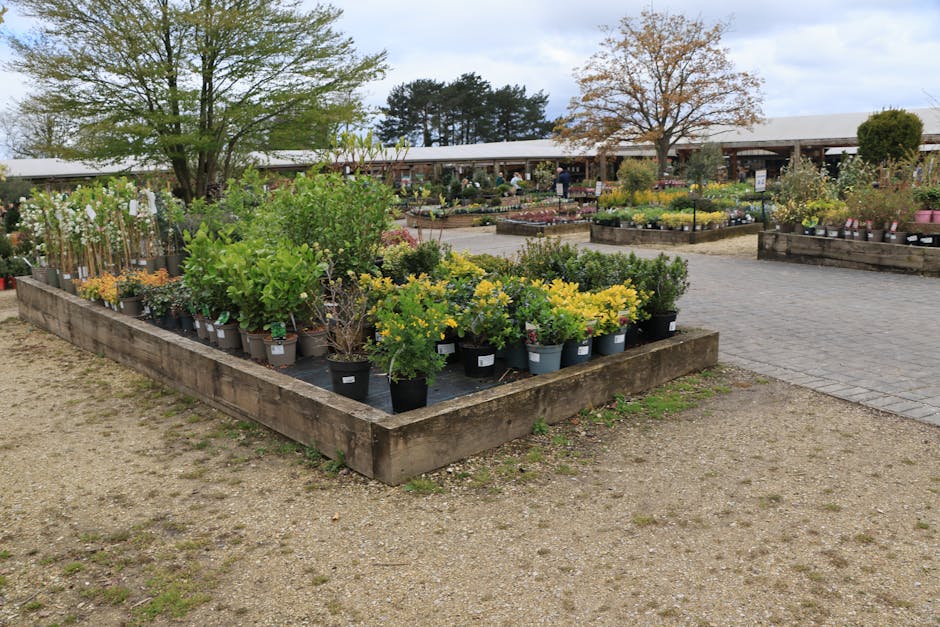
If your garden includes containers, do not treat them as an afterthought. Pots dry out faster and need more attention, but they are incredibly useful for tricky corners and rented spaces. A few practical notes from container gardening ideas can save a lot of trial and error.
Law, Compliance, Standards, or Best Practice
For typical domestic garden maintenance, the main concern is not heavy regulation; it is good practice, neighbour awareness, and safe working habits. That said, there are a few sensible points worth keeping in mind. Hedges, trees, and boundary planting should be managed so they do not create avoidable obstruction, nuisance, or damage. If branches overhang, roots interfere, or dense growth blocks visibility, it is better to deal with it early rather than let the issue escalate.
For larger trees or anything showing signs of instability, specialist assessment is often the safer route. If a tree is leaning, diseased, or interfering with structures, tree surgery support may be the appropriate next step. And if a boundary needs repair or replacement after years of wear, fencing work can give the planting a proper frame again.
Best practice also includes safety and transparency. Anyone working with tools, ladders, cutting equipment, or waste should follow sensible precautions. If you are choosing a provider, pages like health and safety policy, insurance and safety, and terms and conditions are worth checking. They may not be exciting reading, admittedly, but they tell you a lot about how carefully a company works.
Options, Methods, or Comparison Table
When deciding how to approach Mottingham Station garden maintenance and plant choices, most people end up choosing between three broad methods: high-maintenance display planting, low-maintenance structured planting, or a mixed approach. The mixed route is often the sweet spot.
| Method | What it looks like | Strengths | Trade-offs |
|---|---|---|---|
| Display-led planting | Lots of seasonal colour, bedding, and frequent changes | Instant impact, very decorative | More watering, feeding, replacement, and tidy-up work |
| Low-maintenance structure | Evergreens, shrubs, ground cover, simple borders | Reliable, tidy, easier to manage | Less dramatic colour unless layered carefully |
| Mixed approach | Strong backbone planting with pockets of seasonal interest | Balanced look and manageable upkeep | Needs a bit of planning, but usually worth it |
For most households, the mixed approach gives the best return. You get enough variety to keep the garden lively, but not so much complexity that maintenance becomes a burden. If a fresh start is needed, the practical ideas in starting a garden revival fit this method very well.
Case Study or Real-World Example
Take a typical small back garden near the station: one side gets morning sun, the rear fence sits in shade most of the day, and a narrow lawn is patchy because it is shaded by neighbouring structures. The owner wants a nicer view from the kitchen and less weekend labour. Not a dramatic ask, just a sensible one.
The first move is not planting everything at once. Instead, the garden is divided into zones. The shady fence line gets evergreen climbers and a few low-maintenance structural plants. The sunnier side gets drought-tolerant perennials and some carefully chosen herb planting. The centre lawn is reduced slightly and edged more cleanly, so mowing becomes easier and the remaining grass looks deliberate rather than accidental.
Then comes the upkeep plan. Spring: mulch and light pruning. Summer: watering the containers, deadheading, and keeping weeds down. Autumn: leaf clearance and tidy hedge cuts. Winter: protect the more vulnerable plants and avoid trampling the soil when it is sodden. The result is not a show garden, and that is fine. It is a garden that feels looked after without consuming every spare evening.
That kind of outcome is very common when the plant choices are practical first and pretty second. Pretty still matters. Of course it does. But the real magic is when pretty does not create extra work.
Practical Checklist
Use this checklist before you buy plants or book maintenance work.
- Have you checked which areas are sunny, shady, windy, or damp?
- Do you know how much time you can realistically spend on upkeep?
- Have you chosen a mix of structure, seasonal colour, and easy-care planting?
- Are your hedges, borders, and paths easy to reach?
- Is there enough space for mature plant size, not just the young plant?
- Have you planned weed control and mulching from the start?
- Do your containers have drainage and the right compost?
- Is the lawn area actually worth keeping, or should it be reduced?
- Have you thought about privacy, pets, children, or neighbour views?
- Do you need help with a bigger task like hedge trimming, tree work, or fencing repair?
If several of those answers are uncertain, that is usually a sign to slow down and simplify the plan. Gardens improve faster when the basics are stable.
Conclusion
Mottingham Station garden maintenance and plant choices work best when they are treated as one decision, not two. Good plant choices cut down the work. Good maintenance protects the investment. Together, they create a garden that is easier to live with and nicer to look at through every season.
The most successful gardens in this part of London are often the most practical ones: plants matched to shade, wind, and soil; borders kept under control; lawns maintained only where they truly earn their place; and a design that respects real-life time limits. That does not sound glamorous, maybe. But it lasts.
If your garden needs a clearer plan, a little more structure, or a proper reset, it is worth getting advice before the problems grow. A calm, well-kept outdoor space can make the whole home feel lighter, which is no small thing on a grey afternoon.
Get a free quote today and see how much you can save.
And if you want to speak to a local team about the next sensible step, you can always start with the contact page. Sometimes a short conversation is all it takes to turn a messy corner into something that feels quietly sorted.
Frequently Asked Questions
What is the best approach for Mottingham Station garden maintenance and plant choices?
The best approach is usually a mixed one: reliable structure plants, a few seasonal highlights, and a maintenance routine that matches your time and the garden's conditions. It keeps the garden manageable without making it boring.
Which plants are easiest to maintain in a garden near Mottingham Station?
In most local gardens, hardy shrubs, evergreen climbers, ground cover, and drought-tolerant perennials are sensible choices. The exact plants depend on shade, soil, and whether the space is windy or sheltered.
How do I choose plants for a shady garden?
Start by checking how much light the garden actually gets during the day. Then choose shade-tolerant plants that are happy in lower light, such as climbers or foliage-led planting. The wrong plant in a shady spot will look tired very quickly.
Is lawn care worth keeping in a small garden?
Sometimes yes, sometimes no. A small lawn can work well if it is easy to reach and gets enough light. But if mowing is awkward and the grass always struggles, reducing the lawn area can be a smarter move.
How often should hedges be trimmed?
That depends on the hedge type and how formal you want it to look. Some need trimming once or twice a year, while faster growers may need more regular shaping. Overgrowth is what makes hedge work feel much harder than it needs to be.
What are the biggest maintenance mistakes people make?
The most common mistakes are choosing plants without checking the site, planting too densely, ignoring weeds until they spread, and leaving hedges or shrubs to become overgrown. They are all avoidable, which is the annoying part.
Can low-maintenance gardens still look attractive?
Absolutely. In fact, some of the best-looking gardens are low maintenance because they rely on strong structure, good spacing, and sensible planting rather than constant replanting or over-decorating.
When is the best time to refresh a tired garden?
Spring and early autumn are often the most practical times, because the weather is usually kinder for planting and soil work. That said, planning can happen at any time, even if the actual changes come later.
Do I need professional help for garden maintenance?
Not always. Smaller gardens can often be managed with a basic routine. But if you have an overgrown hedge, awkward trees, boundary issues, or a garden that needs a full revival, professional help can save time and reduce mistakes.
What should I ask before booking gardening work?
Ask what is included, how the work will be carried out, what the timing looks like, and how waste will be handled. It is also wise to check safety, insurance, and terms before agreeing to anything.
How can I make a garden easier to look after long term?
Choose plants that suit the site, use mulch, keep access clear, limit overcrowding, and reduce features that create unnecessary work. A garden that is easy to maintain is usually one that was designed with maintenance in mind from the start.
What if my garden has both sun and shade?
That is actually an advantage. Different parts of the garden can support different plants, which gives you more variety. The trick is to place each plant where it naturally belongs instead of forcing one style across the whole plot.