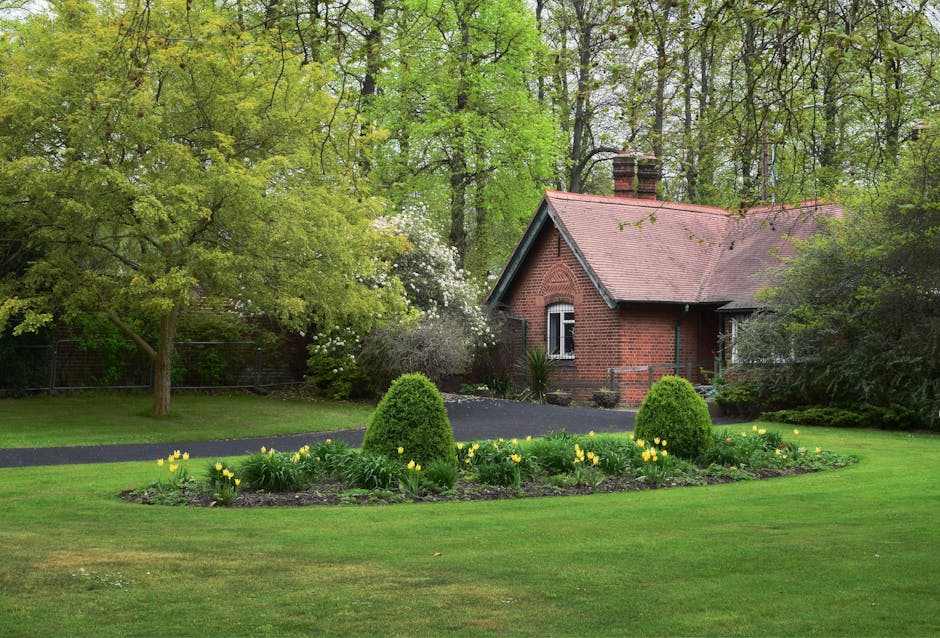
Mottingham Road Front Garden Maintenance Advice for Gardeners
If you look after a front garden on Mottingham Road, you already know it is never just "the bit in front of the house". It is the part people see first, the strip that has to cope with foot traffic, weather, neighbours' sightlines, bins, driveways, and the odd awkward corner where weeds seem to appear overnight. Good Mottingham Road front garden maintenance advice for gardeners is really about making that space tidy, resilient, and easy to keep under control without turning every weekend into a battle with a trimmer.
In this guide, you will find a practical approach to keeping a front garden attractive through the seasons, with clear steps, simple maintenance habits, and a few real-world observations from the kind of gardens that need to look presentable year-round. We will cover what matters most, how to maintain a balanced layout, the mistakes that trip people up, and when it makes sense to bring in help. It is proper hands-on advice, not fluff.
Quick expert summary: A front garden works best when it is designed for low-to-moderate upkeep, has clear edges, uses plants that suit the light and exposure, and follows a repeatable maintenance routine. If you can keep the structure simple, the job gets easier fast. That is the honest truth.
- Why front garden maintenance matters
- How the maintenance approach works
- Benefits and practical advantages
- Who this advice is for
- Step-by-step maintenance guidance
- Expert tips for better results
- Common mistakes to avoid
- Tools, resources and recommendations
- Law, compliance and best practice
- Methods and comparison table
- Real-world example
- Practical checklist
- Conclusion
- Frequently asked questions
Why Mottingham Road front garden maintenance advice for gardeners Matters
A front garden is a small space with a surprisingly big job. It sets the tone for the property, but it also has to perform well in ordinary life. That means staying neat after rain, not blocking paths, handling shade from trees or neighbouring buildings, and avoiding a design that becomes a weekly headache.
On a road setting, the pressure is a bit different from the back garden. People notice a scruffy edge more quickly. A hedge that grows too wide can make a whole frontage look neglected. A patch of bare soil can turn into a muddy, weedy mess after a wet spell. And if the layout is too busy, maintenance becomes awkward because there is nowhere to stand, trim, sweep, or weed properly. Been there, seen that. It is usually the details that cause trouble, not the big idea.
For gardeners, maintenance advice for a front garden is valuable because it helps you choose the right plants, the right pace of work, and the right balance between style and ease. A front garden that is overcomplicated will always demand more than it gives back. A well-planned one feels calm, tidy, and manageable even in a damp February or a hot, dry July.
It also matters from a practical point of view. Front gardens often need to stay safe for pedestrians, visitors, children, delivery drivers, and anyone carrying shopping up the path. Slippery moss, overgrown borders, unstable edging, and hidden trip hazards all become more important when the garden sits right by the street.
How Mottingham Road front garden maintenance advice for gardeners Works
The best front garden maintenance approach is built around repeatable routines, simple structure, and sensible plant selection. In practice, it usually works in four layers:
- Structure first. Paths, edging, hedges, small lawns, beds, containers, and fences should all have a clear role.
- Plant choice second. Plants need to suit the light, exposure, soil, and the amount of attention you can realistically give them.
- Routine maintenance third. Small, regular tasks beat occasional big clear-ups every time.
- Seasonal adjustments last. Winter, spring, summer, and autumn each ask for slightly different work.
That sounds simple, but it is where many front gardens go wrong. The trouble usually starts when a space is filled with plants that need constant pruning, watering, feeding, or rescuing from the weather. A better approach is to design for endurance. If you want a bit of inspiration for resilient planting, the article on ground covers suited to UK gardens is useful, especially where open soil keeps turning weedy or patchy.
Front garden maintenance also works best when you think in zones. For example, the area nearest the pavement may need sharper edges and more frequent tidying, while a side bed or tucked-away corner can support slightly looser planting. That way the whole space looks controlled without demanding the same level of attention everywhere.
Another helpful mindset is to treat maintenance as an ongoing rhythm, not a rescue mission. A five-minute check after rain, a quick weed pull while the kettle boils, or a trim before growth gets woody can save hours later. Simple, but effective.
Key Benefits and Practical Advantages
There are several strong reasons to keep a front garden well maintained, and they go beyond kerb appeal. Yes, a neat frontage looks better. But the practical advantages are just as important.
- Less long-term work: Regular trimming, deadheading, and sweeping are easier than major cutbacks.
- Better drainage and cleanliness: Clear edges and tidy surfacing reduce mud, moss, and mess near entrances.
- Healthier planting: Plants with room to breathe are less likely to become congested or disease-prone.
- Safer access: Paths stay easier to walk on, especially in damp weather.
- Stronger seasonal resilience: A simple, well-built planting scheme handles wind, frost, and dry spells more reliably.
- Improved property presentation: Whether you are staying put or considering changes later, first impressions matter.
There is also a quieter benefit that people often overlook: a tidy front garden just feels better to live with. You notice it when you get home. The view is calmer. The entry feels cared for. It sounds small, but it does affect how the whole house feels.
If you are aiming for a lower-effort frontage, the ideas in minimal-upkeep gardening approaches are a useful companion read. They fit especially well for busy households, landlords, and anyone who wants results without constant labour.
Who This Is For and When It Makes Sense
This advice is for anyone managing a front garden along Mottingham Road or in a similar London residential setting, especially if the space has to look good without much fuss. That includes:
- homeowners who want a smart frontage but not a high-maintenance one
- gardeners looking after small plots with awkward boundaries or limited soil depth
- people dealing with shade, wind, heavy foot traffic, or compacted ground
- tenants or landlords who need the space to stay presentable
- families who want safe, practical access and a welcoming entrance
- gardeners planning a refresh after a long period of neglect
It makes the most sense when the garden is exposed to regular wear and tear. Front gardens often get compacted by footsteps, delivery activity, pets, and weather. If a space has become overgrown or patchy, it may be time for a reset rather than more patch-up work. In some cases, a gentle revival is all that is needed; in others, you may need a more structural rethink. If that sounds familiar, the guide to starting a garden revival is a good place to gather ideas.
It also makes sense if you have specific goals, such as keeping sightlines open at the pavement, reducing weeds, softening a hard frontage, or making a driveway edge look more finished. Different goals need different maintenance decisions, and that is where a bit of planning saves a lot of frustration.
Step-by-Step Guidance
If you want a front garden that stays under control, start with the basics and build from there. Do not try to fix everything in one go. It rarely lasts. Here is a practical sequence that works in most cases.
1. Assess the space honestly
Walk the garden slowly and look at what is actually happening, not what you hoped would happen. Where does water sit? Which areas are bare? What gets shade? Which plants are thriving, and which are sulking along? This first look tells you where the real problems are.
Pay attention to edges, access points, and any plant that is creeping into paths or blocking windows. Sometimes the fix is simply a hard prune. Sometimes it is removing a plant that was never suited to the spot.
2. Clear the obvious clutter
Take out dead stems, loose debris, broken pots, rubbish, and plants that are clearly beyond recovery. Keep the best material and clear the rest. A clean starting point makes every later decision easier.
If ivy has taken over walls, fences, or beds, it is worth dealing with properly rather than repeatedly hacking at it. The article on removing ivy from a garden for good gives a more detailed approach.
3. Define the layout
Front gardens look better when each part has a purpose. A narrow strip can be a ground-cover bed. A sunny bay window area can hold containers. A shadier corner can support evergreens or low-maintenance climbers. The point is not to cram the space. It is to give it shape.
If the garden includes a hedge or boundary planting, keep it trimmed to a sensible width. In many front gardens, a hedge that is just a little too wide makes the whole frontage feel cramped. For practical hedging guidance, see hedge trimming support in Mottingham and the article on different hedge trimming techniques.
4. Improve the soil and surface
Front garden soil is often compacted, dry near the top, and poor where builders' rubble or old subsoil still sits below the surface. Digging in organic matter, loosening compacted areas, and topping up with mulch can make a major difference.
Do not overdo the digging if roots or utilities are close to the surface. Gentle improvement is usually safer and more sustainable. If the soil is very tired, compost and mulch are your friends. Not glamorous, but they work.
5. Replant with maintenance in mind
Choose plants that fit the amount of time you can give them. A front garden is usually better with dependable, structured planting than with a collection of needy specimens. Mix evergreen form with a few seasonal highlights, then keep the palette fairly restrained.
For shady spots, evergreen climbers or shade-tolerant plants can bring life without demanding constant attention. That is why the guide on shade-loving evergreen climbers is worth a look. If the frontage is exposed to gusts, the piece on working with windy conditions can help you avoid obvious plant losses.
6. Set a maintenance rhythm
Once the space is in shape, keep it on a rhythm. That could mean:
- weekly quick checks for weeds and litter
- fortnightly edge tidying in the growing season
- monthly pruning or deadheading
- seasonal mulching and refreshes
- a more serious winter tidy before new growth begins
The key is consistency. A front garden will forgive small lapses. It will not forgive long neglect, though, and it tends to show it fast.
Expert Tips for Better Results
Here are the habits that make front garden maintenance noticeably easier over time.
- Keep the plant palette simple. Three or four repeating plant types often look better than a scattered mix.
- Use edges deliberately. A crisp edge between lawn, bed, and path immediately improves the finish.
- Match plants to the site, not the dream. A beautiful plant in the wrong place becomes a maintenance problem.
- Go for structure first, flowers second. Structure keeps the garden attractive even when blooms fade.
- Mulch annually if you can. It helps with moisture retention and weed suppression.
- Prune before things get unruly. That small early cut saves a bigger job later.
- Watch the front boundary. In street-facing gardens, it is often the boundary line that decides whether the garden looks tidy or not.
One practical trick: step across the road and look back at your own frontage. You will notice different things from that angle. Often the issue is not the plants themselves, but the balance between hard surfaces and greenery. Too much of one and the whole scene feels off.
If you want more low-effort inspiration, the guide to container gardening ideas is useful for adding flexibility without digging up the whole front bed. Containers are especially handy where soil quality is poor or the layout needs occasional refreshes.
And for people who like practical gear, there is a helpful overview of essential gardening tools and equipment. No need for a shed full of gadgets, by the way. A few well-chosen tools do the job just fine.
Common Mistakes to Avoid
Front gardens usually go wrong in predictable ways. Avoid these and you are already ahead.
- Planting too densely. It looks full for a while, then becomes crowded and awkward to maintain.
- Ignoring mature size. Small plants rarely stay small forever. Surprise, they grow.
- Using thirsty plants in exposed spots. Dry, windy front gardens can punish plants that need constant watering.
- Overcomplicating the design. Too many shapes, colours, and materials make maintenance harder.
- Leaving weeds to seed. A few missed weeds can become a whole season of regret.
- Forgetting visibility and access. A beautiful bed is not much use if it blocks the path or makes the entrance awkward.
- Neglecting winter texture. A front garden should still look decent in January, not collapse into a flat mess.
Another common problem is using ivy, bamboo, or very vigorous shrubs without thinking through containment. They can be useful plants, absolutely, but in a small frontage they need discipline. A garden that is meant to be simple should not have a plant that behaves like it owns the place.
Tools, Resources and Recommendations
You do not need a massive toolkit for front garden maintenance, but the right basics make the work faster and cleaner.
| Task | Useful tools | Why it helps |
|---|---|---|
| Weeding | Hand fork, trowel, bucket or trug | Lets you remove roots cleanly and keep the space tidy as you go |
| Edging | Half-moon edger, sharp spade, edging shears | Creates crisp lines that make the garden look maintained |
| Pruning | Bypass secateurs, loppers, pruning saw | Handles soft growth, thicker stems, and tidy shaping |
| Cleaning paths | Outdoor broom, stiff brush, pressure washer if suitable | Reduces moss, grit, and leaf build-up near entrances |
| Soil improvement | Compost, mulch, garden fork | Helps retain moisture and improve the planting bed over time |
If your frontage includes hard landscaping, it may also be worth looking at patio cleaning and broader garden maintenance support, especially where slippery paving or tired edges are making the garden look older than it is. For driveways, seating areas, or other built features, the related services on landscaping and fencing can be useful too.
For families with pets, the article on gardening with dogs in mind is a sensible read. Front gardens are often shared spaces in practice, even if they are not "shared" on paper. Muddy paws, digging habits, and trampling at the border all change how you maintain the space.
Law, Compliance, Standards, or Best Practice
Front garden work is usually straightforward, but it is still wise to keep a few UK best-practice points in mind. You should avoid creating hazards on public paths, and you should keep anything that borders the street trimmed back so it does not obstruct visibility, access, or safe passage. If trees are involved, especially anything mature or close to a boundary, the safer route is to check before cutting hard into roots or major limbs.
Where hedges, fences, or boundary planting meet neighbouring property, sensible communication helps. A tidy and considerate front garden is usually easier to maintain if both sides understand the layout. That is especially true in close residential streets where one overgrown boundary can quickly affect light, access, and the general feel of the road.
Health and safety also matter. If you are using ladders, hedge trimmers, powered tools, or pressure washers, take the usual precautions and do not rush. Wet paving and uneven ground are not the place to be casual. For a fuller sense of how a professional approach handles this, the site's health and safety policy, insurance and safety information, and terms and conditions are useful pages to review.
On the service side, any customer choosing a contractor should expect clear quotes, transparency about what is included, and a sensible approach to scheduling and access. If you are comparing options, the pricing and quotes page is a good reference point. In a front garden context, clarity matters because small jobs can vary a lot depending on hedge height, edging condition, weed levels, and waste removal. Slightly annoying, yes. But very normal.
Options, Methods, or Comparison Table
There is more than one way to manage a front garden. The right method depends on how much time you have, how tidy the space needs to look, and how much ongoing upkeep you are willing to accept.
| Method | Best for | Pros | Trade-offs |
|---|---|---|---|
| Formal front garden | Neat, structured appearance | Looks smart, easy to read visually, strong kerb appeal | Needs regular edging and pruning |
| Low-maintenance planting | Busy households, smaller budgets | Less watering and cutting, easier to manage | Can look plain if the plant mix is too cautious |
| Container-led frontage | Poor soil or awkward layouts | Flexible, easy to change, good for seasonal interest | Requires watering and occasional replacement |
| Mixed borders with ground cover | Weedy or bare areas | Suppresses weeds, softens hard edges, looks established | Needs proper establishment time |
| Hard-landscape emphasis | Tight or urban frontages | Simple to keep clean, good for access | Can feel stark without planting balance |
If you are unsure which route to take, a mixed approach is often the sweet spot. A few containers, a structured bed with evergreen backbone planting, and well-kept edging can do a lot without becoming high-maintenance. It does not have to be a perfect botanical showpiece. It just has to work.
Case Study or Real-World Example
A typical front garden on a residential London street might start off with a patchy lawn, a narrow bed against the wall, and a hedge that has slowly grown wider every year. We have seen this kind of setup many times. From the pavement, it can look more neglected than it really is, mostly because the boundaries have blurred and the surface is tired.
The first move is usually to simplify. The hedge is cut back to a sensible line, the bed is cleared of weeds and self-seeded growth, and the soil is topped up with compost and mulch. A few dependable plants are added for structure, often including evergreen material for year-round shape and a ground cover to keep the soil from being constantly exposed. If the spot is exposed or gets winter damage, the advice in protecting plants through winter becomes especially relevant.
Next, the frontage is given a regular rhythm: weekly checks, seasonal pruning, and a quick sweep after leaf fall. Nothing dramatic. Just enough to stop the garden slipping back. After a few months, the difference is usually obvious not just in how it looks, but in how easy it is to keep it looking good. That is the real win.
One homeowner may want it tidy for visitors; another may be trying to reduce time spent weeding after work; another might simply want the place to feel more welcoming in the evening light. Different motivations, same principle: simple structure plus consistent upkeep.
Practical Checklist
Use this checklist before you call the job "done":
- Paths and entrances are clear and safe
- Edges are defined between bed, lawn, and paving
- Hedges or shrubs are trimmed to a sensible size
- Weeds have been removed, roots and all where possible
- Bare soil has been mulched or replanted
- Containers are in good condition and not overcrowded
- Plants suit the light, wind, and soil conditions
- Any ivy or invasive growth is under control
- Watering needs are realistic for the season
- The front garden still looks balanced from the street
- There are no obvious trip hazards or slippery patches
- The maintenance routine is simple enough to repeat
If most of those boxes are ticked, you are in good shape. If several are not, that is fine too. It just means the garden needs a clearer plan rather than more guesswork.
Conclusion
Front garden care is one of those jobs that pays you back quietly. A little discipline, a sensible layout, and the right planting choices can turn a troublesome frontage into something calm, tidy, and genuinely easy to live with. The best Mottingham Road front garden maintenance advice for gardeners is not about perfection. It is about making steady decisions that reduce effort, improve appearance, and keep the space working through the seasons.
Start with structure. Keep the planting practical. Stay on top of edges, weeds, and seasonal tidy-ups. And if the space has got away from you a bit, do not worry about that either. It happens. The trick is to reset it properly and then keep the rhythm going.
Get a free quote today and see how much you can save.
With the right plan, a front garden stops being a chore and starts feeling like part of the home again. Small space, yes. But it can still make a lovely first impression.
Frequently Asked Questions
How often should a front garden be maintained?
For most front gardens, a light weekly check and a more thorough tidy every two to four weeks is enough during the growing season. In winter, the pace usually drops, but you should still keep on top of leaves, debris, and any safety issues near paths.
What is the easiest front garden style to maintain?
A simple layout with evergreen structure, ground cover, and a small number of repeat plants is usually the easiest. It keeps the garden looking deliberate without needing constant replanting or complicated pruning.
How do I stop weeds from taking over the front garden?
The best defence is a mix of hand weeding, mulch, and dense planting where appropriate. Bare soil is weed-friendly, so covering it with plants or mulch reduces the amount of open ground weeds can colonise.
Should front gardens have lawns?
Not necessarily. Small lawns can look nice, but they often need more regular mowing and edging than people expect. In compact or shaded spots, ground cover, gravel, or planted beds may be a more practical choice.
Which plants work well for a front garden in exposed conditions?
Plants that cope with wind, occasional drought, and a bit of neglect are usually the safest bet. Evergreen shrubs, tough perennials, and some ground covers often perform better than delicate bedding plants in exposed frontages.
How can I make my front garden look neat without spending all weekend on it?
Keep the design simple, repeat plant types, and focus on edges. A few minutes with secateurs, a hand fork, and a broom can make a much bigger difference than a full overhaul every month.
What should I do if the front garden soil is poor?
Add compost, mulch, and plants that can tolerate less-than-perfect ground. Containers are also useful if the soil is compacted, shallow, or full of rubble. Sometimes the smartest solution is not to fight the soil too hard.
Is hedge trimming important for front garden upkeep?
Yes, especially where the hedge shapes the whole frontage. A hedge that gets too tall or too wide quickly makes a small garden feel crowded. Regular trimming keeps the boundary crisp and easier to manage.
Can I use containers in a front garden?
Absolutely. Containers are excellent for adding seasonal interest, softening hard surfaces, and coping with awkward spots. Just remember they need watering, feeding, and occasional refreshing, so they are flexible but not maintenance-free.
What are the biggest mistakes people make with front garden maintenance?
The biggest mistakes are overplanting, ignoring mature growth, letting weeds go to seed, and leaving the layout too complicated. Front gardens usually work best when the design is calm and the maintenance routine is simple.
When should I consider professional help?
If the garden has become overgrown, if hedges are too large to manage safely, if the soil or layout needs a reset, or if you simply do not have the time, it is worth getting help. A professional can often save you a lot of trial and error.
Does a front garden need different care from a back garden?
Yes, usually. Front gardens often need more emphasis on presentation, safe access, and tidy boundaries. They also tend to be more exposed and less forgiving, so maintenance is often more about consistency than lushness.
What should I look for in a garden maintenance service?
Look for clear communication, a sensible quote, and a service that understands the practical limits of a street-facing garden. It helps if they can advise on trimming, weed control, planting structure, and seasonal upkeep rather than just doing one-off tidies.
If you want to explore the wider services and guidance available, the pages on gardening services, lawn care, and about us may help you decide what kind of support fits your garden best.