Common access problems in Mottingham gardens and gardener fixes
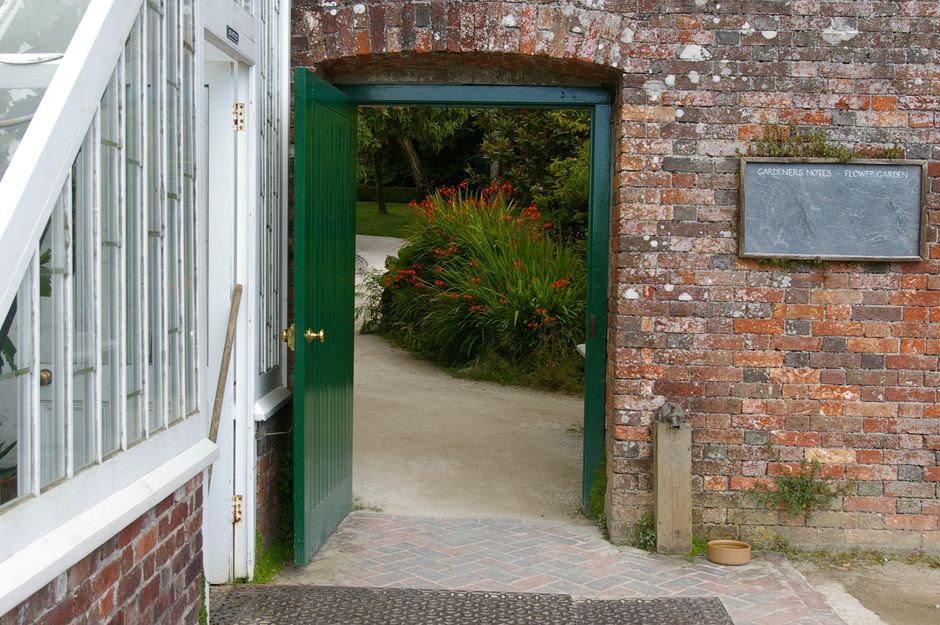
If you have ever tried to get a mower through a narrow side gate, carried bags of compost down a slippery run, or worked around a garden that seems to have one awkward step too many, you will know the frustration already. Common access problems in Mottingham gardens and gardener fixes is not a dry technical topic; it is the day-to-day reality of keeping a garden usable, safe, and worth spending time in. In Mottingham, where plots can be compact, side passages tight, and older layouts a bit improvised, access issues can slow everything down. The good news? Most of them have sensible, practical fixes.
This guide breaks down the access problems gardeners see most often, why they matter, and how a good gardener approaches them. You will find straightforward advice on gates, paths, slopes, storage, visibility, and safe working space, plus a few local-minded ideas that make a real difference. Nothing fancy. Just the stuff that helps.
Why Common access problems in Mottingham gardens and gardener fixes Matters
Access sounds like a simple word, but in a garden it covers a lot. It includes how someone gets into the garden, how waste gets out, how tools move around, and whether the work can be done without damage. If access is awkward, every task becomes slower and, frankly, more irritating than it should be.
In Mottingham, many gardens have features that make access tricky in predictable ways: narrow side passages, cramped alleyways, steep or uneven steps, long carry distances from the front to the back, and gates that are just a bit too tight for modern kit. Add wet weather, mossy paving, low light in winter, and the occasional overgrown hedge, and you have a recipe for frustration.
Why does this matter so much? Because access problems affect more than convenience. They affect safety, the quality of the finish, and even whether regular maintenance happens at all. A homeowner may skip hedge cutting because the trimmer and ladder are awkward to move. A patio clean may be delayed because hoses cannot be routed neatly. A larger landscaping job may need extra labour simply to transport materials.
Expert summary: the best access fix is not always the biggest one. Often, the most useful improvement is the one that reduces one small point of friction, such as widening a gate swing, levelling a loose slab, or creating a sensible route for waste removal.
There is also a bigger long-term point. When access is improved, a garden tends to stay healthier and tidier because jobs get done on time. That matters for lawn care, hedge trimming, pruning, and seasonal maintenance. If you want a broader view of routine upkeep, it can help to look at garden maintenance support alongside access planning, because the two often go hand in hand.
How Common access problems in Mottingham gardens and gardener fixes Works
The process is usually more practical than people expect. A gardener does not simply turn up with a bag of tools and hope for the best. First, they look at the route in and out, then at the work zone, and finally at what is actually getting in the way. That sounds obvious, but you would be surprised how often the real bottleneck is not the garden itself. It is the route through it.
Here is how the assessment usually works in plain English:
- Entry point review: gate width, latch height, key access, clearance, and whether the gate opens fully without scraping.
- Pathway check: surface condition, trip hazards, wet or slippery patches, and whether there is enough turning space.
- Transport route review: can tools, waste, compost, and materials be moved without crossing delicate planting or squeezing through narrow gaps?
- Work area layout: is there room to cut, lift, sweep, prune, or pressure clean without awkward stretching or repeated lifting?
- Storage and staging: where can equipment be placed temporarily without blocking access or causing damage?
That approach is why a professional gardener often spots problems quickly. A tight side passage may be fine for a hand trowel, but useless for a wheelbarrow. A garden path may be "walkable" in summer yet unpleasantly slick in November. A low archway might be charming, until someone carries a ladder through it. Little things. Big effect.
From there, the fix can be structural or operational. Structural fixes include gate repairs, path resurfacing, moving obstacles, better edging, lighting, or fencing adjustments. Operational fixes are things like changing the order of work, using slimmer equipment, bringing smaller loads, or setting up a temporary access route for the day. Sometimes the answer is a mix of both.
For gardens with access and layout challenges, it is often worth thinking beyond one-off jobs. A broader service like gardening services can help coordinate pruning, clearance, and layout improvements in a way that keeps the site manageable, not just tidy for one afternoon.
Key Benefits and Practical Advantages
Improving access is not glamorous, but the payoff is real. You notice it immediately in the time saved, the fewer awkward lifts, and the simple relief of not fighting the space every time work needs doing. To be fair, that alone is worth a lot.
- Safer movement: fewer slips, trips, and strained backs.
- Cleaner finishes: workers can reach edges, corners, and hidden areas properly.
- Faster jobs: less time spent carrying things around obstacles.
- Lower damage risk: less crushing of borders, turf, or paving edges.
- Better regular maintenance: when access is easier, it is far more likely to be kept up.
- More usable garden space: access improvements can make the garden feel larger, oddly enough.
There is another advantage people sometimes overlook: access improvements tend to reduce stress for everyone. Garden owners feel less embarrassed about the layout. Gardeners work more confidently. And if you have children or pets in the garden, safer routes and better boundaries matter even more. A well-planned access route can be the difference between a quick tidy-up and a day full of avoidable complications.
For example, if the main issue is heavy foot traffic through a narrow lawn strip, a gardener might suggest routing movement along a durable edge, or introducing ground cover in a worn patch so the same area is not constantly destroyed. In that sense, a small design shift can solve a maintenance problem and a layout problem at once. Nice when that happens, because it does not always.
Who This Is For and When It Makes Sense
This topic is for anyone whose garden is awkward to work in, but a few groups benefit especially:
- Homeowners with narrow side access or shared passageways
- Landlords and property managers keeping outdoor areas presentable between tenancies
- Older residents who want low-effort, safer access routes
- Families who need clear, practical movement for everyday use
- People planning hedge work, tree work, or landscaping in a tight space
- Anyone with a sloped, stepped, or uneven garden layout
It also makes sense if your current problems are getting worse rather than better. A gate that sticks a little in spring can become a real block by autumn if the ground shifts or the hinge settles. A path with a small dip can turn into a puddling mess after a wet spell. And if ivy or hedging is narrowing the route each year, the problem will not magically disappear. It tends to spread, the cheeky thing.
If your garden is difficult to reach for regular upkeep, a service such as lawn care can be useful because lawn work is often where access issues become most obvious: mower entry, edging, clipping removal, and route management all matter.
It is also worth considering access before scheduling bigger work. A tree surgeon, for instance, needs to know if equipment, arisings, and access to the work area are practical. Likewise, fencing or decking projects often depend on how materials can be brought in without damaging existing features.
Step-by-Step Guidance
If you want to tackle access problems properly, the best route is usually systematic. Do not just fix the thing that annoys you most today. Fix the route the whole garden depends on.
1. Walk the route as if you were carrying something bulky
Do a slow walk from the front boundary to the working area carrying a trimmer, watering can, bag of compost, or folding chair. Notice where you need to turn sideways, duck, or step carefully. That gives you the real picture, not the optimistic one. People often discover the problem is not the garden path itself; it is the second gate, the hidden step, or the corner that pinches movement.
2. Identify the actual blockage
Is it width, height, slope, surface, clutter, or visibility? A narrow gate needs a different fix from a steep path. A cluttered route needs a different fix from a structural issue. Naming the issue properly saves time and stops the whole project turning into guesswork.
3. Prioritise safety first
If there are loose slabs, rotten boards, wobbly steps, or a gate that will not stay open, fix those before anything decorative. A pretty garden is lovely, but nobody wants to explain a twisted ankle over a bucket of hydrangea cuttings.
4. Decide whether the problem is permanent or seasonal
Some access problems are year-round, like a gate that is too narrow. Others show up only in winter, after rain, or when growth is at its peak. Seasonal issues may be handled with trimming, temporary ground protection, or changed working patterns. Permanent problems usually need a more durable fix.
5. Choose the smallest effective fix
You do not always need a rebuild. Sometimes the best answer is to trim an overgrown hedge, rehang a gate, lift and relay a few slabs, or move stored items somewhere less awkward. Small fixes can make a surprisingly big difference.
6. Re-test the route after the change
Once the adjustment is made, walk it again. Carry the same item as before. Does it now feel straightforward? If not, there may still be a pinch point. Good access is usually a chain, not a single change.
7. Keep the route clear going forward
This is where people sometimes fall down. They fix the access once, then slowly let pots, tools, bins, and cuttings creep back into the pathway. A clear route needs a bit of discipline. Not much. Just enough.
Expert Tips for Better Results
Experienced gardeners tend to solve access problems by thinking in layers. That is the real trick. Not everything at once; not only the obvious issue; and definitely not with a one-size-fits-all mindset.
- Use slimmer kit where space is tight. A compact mower, folding pruners, or lightweight trimmer can reduce the hassle in narrow side access gardens.
- Work from the outside in. Clear the route first, then the edges, then the main bed or lawn. It creates breathing room.
- Open the gate fully and securely. A gate that only opens halfway creates a mental and physical bottleneck.
- Improve sightlines. Sometimes a dark, cramped access route feels harder than it is. Better lighting or tidier edges can make movement feel calmer and safer.
- Use temporary protection for fragile surfaces. Boards, mats, or purpose-built ground protection can help during heavier jobs.
- Plan waste removal before the job starts. Nothing slows a team like piles of cuttings that have nowhere to go.
One practical observation: access issues often reveal hidden maintenance problems. If a gardener has to squeeze through a passage, they may notice ivy pulling on masonry, a fence leaning into the route, or a hedge swallowing the boundary. That is actually useful. It turns a nuisance into a chance to reset the whole space.
If overgrowth is part of the access problem, it may be worth combining route clearance with a dedicated trim. The page on hedge trimming in Mottingham is a sensible companion if your side access is being slowly pinched shut by greenery.
And if you are thinking about the broader atmosphere of the garden too, a more open layout can support calmer, more inviting spaces. The ideas in crafting a comfortable garden nook show how layout and usability go together more than people realise.
Common Mistakes to Avoid
Most access problems become worse because people underestimate them at the start. That is not a criticism, just reality. Here are the mistakes that show up again and again.
- Ignoring the route and focusing only on the task. The hedge may need cutting, but if the trimmer cannot get there safely, the route is the real issue.
- Assuming a tight fit is "good enough". Good enough can become damage pretty quickly when tools, soil, and wet weather are involved.
- Not checking for future growth. A passage that works now may fail after a season of growth. Gardens change. They are supposed to.
- Leaving debris in the working path. Small piles of leaves, clippings, and branches are classic trip hazards.
- Skipping a proper surface check. Slippery paving, uneven bricks, and soft edges all matter more when carrying tools.
- Choosing a decorative solution over a practical one. Lovely gate, terrible swing? That is not a win.
Another common mistake is treating access as a one-time problem rather than an ongoing maintenance issue. In a garden, access can slowly worsen through overgrowth, settling ground, moss buildup, or clutter. It needs periodic attention, especially after wet weather or a burst of growth in spring and early summer.
Truth be told, some of the easiest fixes are the ones people put off because they seem too small to matter. But a small snag can have a domino effect. One awkward corner, then one skipped visit, then one bigger mess. Happens all the time.
Tools, Resources and Recommendations
You do not need a van full of specialist kit to improve access, but the right tools do make life easier. Good gardeners tend to keep things practical and well organised.
- Compact hand tools: useful for narrow or awkward routes where larger tools are a pain.
- Lightweight clearing tools: ideal for removing leaf litter, loose twigs, and debris from paths and steps.
- Pruners and hedge tools: useful when overgrowth is stealing access space.
- Wheelbarrows or garden tubs sized for tight routes: because a huge barrow is no help if it can barely turn.
- Ground protection boards or mats: helpful when moving across lawns or delicate surfaces.
- Exterior lighting: especially useful for darker side returns and winter working conditions.
For planning and budgeting, it helps to understand what a contractor is likely to inspect: gate width, path condition, obstruction points, labour access, and disposal routes. If you are comparing options or want a clearer idea of the scope, you may find pricing and quotes guidance useful because access difficulty often influences how a job is priced and scheduled.
For broader outdoor improvement projects, a few other pages can help you think beyond one single fix. For example, landscaping is relevant if access problems are tied to layout, levels, or a poor flow through the space. If the issue is at the boundary, fencing may matter too, especially where gate positioning or privacy features affect movement. And for heavier, woody overgrowth blocking the way, tree surgery may be the right route where safe clearance is needed.
Law, Compliance, Standards, or Best Practice
When access problems involve work on paths, gates, steps, fences, trees, or any area where someone could be injured, best practice matters. You do not need to become a legal expert, but you do want to use sensible precautions. That means assessing trip hazards, checking stability before lifting heavy items, and using appropriate personal protective equipment when needed.
For professional garden work, it is normal to expect a contractor to think about risk, safe handling, and the condition of the site before work begins. If access is poor, the job may need to be planned in stages so materials, equipment, and waste can be managed safely. That is not overcautious. It is just good practice.
Some access improvements may also touch building or boundary issues, and if that happens, it is wise to proceed carefully and not assume every change is trivial. For example, major alterations to entrances or retaining features can have implications beyond gardening alone. A responsible gardener will usually flag where something needs more specialist input.
From a practical standpoint, the safest approach is simple: keep routes clear, maintain steps and surfaces, do not overload narrow passages, and make sure the working area is stable before any heavy task begins. If a job feels awkward before it starts, it will probably feel worse halfway through. That is a useful warning sign.
Options, Methods, or Comparison Table
There is rarely only one way to solve access issues. The right option depends on what is blocked, how often the garden is used, and how permanent the problem is.
| Access issue | Best practical fix | When it works best | Trade-off |
|---|---|---|---|
| Narrow gate or side passage | Rehang, widen, or streamline the route | When equipment and waste are hard to move | May require more planning or minor works |
| Slippery or uneven path | Clean, repair, level, or resurface | When trips and slips are the main concern | Can be more costly than a temporary fix |
| Overgrown hedge or ivy | Trim back and create a maintenance boundary | When growth is closing the route | Needs ongoing upkeep |
| Poor visibility in dark corners | Add lighting and clear obstructions | For winter access or evening use | Lighting needs weatherproof installation |
| Long carry distance | Set staging areas or split loads | For larger maintenance jobs | More labour, but safer and neater |
A simpler method can be surprisingly effective too. If you only have a small access issue, a temporary fix may be enough for now: a clear path, a few removed obstacles, and a better work sequence. If the issue repeats every month, though, it is usually worth investing in something more durable.
Case Study or Real-World Example
Here is a realistic example from the sort of garden many people recognise. A small Mottingham rear garden has a side return that is just wide enough for walking, but not comfortable for carrying tools or waste bags. The gate sticks on damp days. A hedge leans into the route, and the paving near the back step has gone a bit soft at the edge, so people avoid that side when it rains.
The result? Jobs keep getting delayed. The owner puts off hedge trimming because the trimmer feels awkward to move. Lawn clippings are carried the long way round. A small patch of moss becomes a slippery corner. Nothing dramatic. Just enough friction to make the garden feel harder to use than it should.
A sensible fix might look like this: the gate is adjusted so it opens fully, the hedge is cut back to restore shoulder room, the loose edge of paving is repaired, and a clear staging spot is created for bags and tools. If the route is still tight, lighter equipment is used and jobs are split into smaller carrying runs. Simple stuff, really. But it transforms the working day.
The owner does not suddenly get a huge garden. That is not the point. What changes is flow. Movement gets easier. Maintenance becomes less of a chore. And the whole space feels calmer, almost by stealth. That kind of improvement often matters more than a flashy redesign.
Practical Checklist
Use this checklist before starting work on a garden with access issues:
- Is the entrance wide enough for the tools and waste you need to move?
- Does the gate open fully without snagging?
- Are there any loose slabs, steps, or slippery patches?
- Is the route clear of pots, bins, branches, and stored materials?
- Have hedges, ivy, or shrubs narrowed the passage?
- Can someone work without constantly bending, squeezing, or stretching?
- Is there a safe place to stage tools and temporary waste?
- Do you need lighting, mats, boards, or another short-term access aid?
- Will the problem return after rain, growth, or seasonal changes?
- Should the job be split into stages to keep movement safe and tidy?
If you ticked several boxes, that does not mean the garden is a nightmare. It just means it needs a considered plan. And honestly, that is often enough.
Conclusion
Common access problems in Mottingham gardens and gardener fixes are about more than squeezing through a narrow gap. They affect safety, timing, finish quality, and how often the garden actually gets looked after. Once you start viewing access as part of the garden design rather than a separate inconvenience, the solutions become much clearer.
The best fixes are usually practical, not dramatic: trim the growth that is closing in, repair the route that is wearing out, rethink how materials are carried, and make sure the garden can be worked on without constant awkwardness. That is what keeps a space usable year after year.
If your garden feels a bit difficult to manage, that is fixable. Sometimes all it takes is a better route, a safer surface, and someone who spots the small things before they become the big ones. Gardens are living spaces, after all. They need room to breathe.
Get a free quote today and see how much you can save.
When access is easier, gardening stops feeling like a battle and starts feeling like a proper pleasure again. Nice, really.
Frequently Asked Questions
What are the most common access problems in Mottingham gardens?
The most common issues are narrow gates, tight side passages, uneven paths, slippery steps, overgrown hedges, and long carry distances from the front to the back of the garden.
Why do access problems matter so much for garden maintenance?
Because they affect safety, speed, and how thoroughly a job can be done. If tools and waste are hard to move, maintenance becomes slower and more likely to be skipped.
Can a gardener fix a narrow garden entrance without major building work?
Often, yes. A gardener may be able to trim back growth, rehang a gate, improve the route, or adjust how work is carried out so the space becomes much easier to use.
How do gardeners assess access before starting work?
They normally look at the entrance, the route through the garden, surface condition, turning space, obstacles, and where tools or waste can be staged safely.
What if the problem is only temporary, like winter mud or wet paving?
Then a temporary fix may be enough, such as clearing the route more often, using ground protection, or changing the working order during wetter months.
Is it better to widen a gate or find another way around it?
It depends on the layout and how often the problem happens. If access is blocked regularly, improving the gate is usually more practical than working around it every time.
Can overgrown hedges really cause access problems?
Absolutely. Hedges can narrow side returns, block light, make paths feel tighter, and scratch or snag tools if they are left unchecked.
Do access issues affect the price of gardening work?
They can, because difficult access may increase labour time, require smaller equipment, or make material handling more complicated. It is sensible to discuss this early.
What should I clear before a gardener arrives?
Move bins, toys, loose pots, and anything else blocking the route. A clear path helps the work start safely and usually saves time too.
Can better access make a small garden feel bigger?
Yes, strangely enough. When the route is clear and movement feels easy, the whole garden tends to feel calmer, cleaner, and more spacious.
When should access problems be repaired urgently?
If there are loose steps, unstable paving, rotten timber, or anything that could cause a fall or injury, it should be dealt with as soon as possible.
What kind of garden jobs are most affected by poor access?
Hedge trimming, lawn care, waste removal, patio cleaning, landscaping, and tree work are often the most awkward when access is limited.
Should I ask for a quote if I am unsure how serious the access problem is?
Yes. A proper quote or site visit helps clarify whether the issue needs a small adjustment, staged work, or a more involved solution.
What is the best first step if I keep putting off garden jobs because access is annoying?
Start with the route in and out. That is usually where the biggest frustration sits, and fixing it often makes everything else easier.